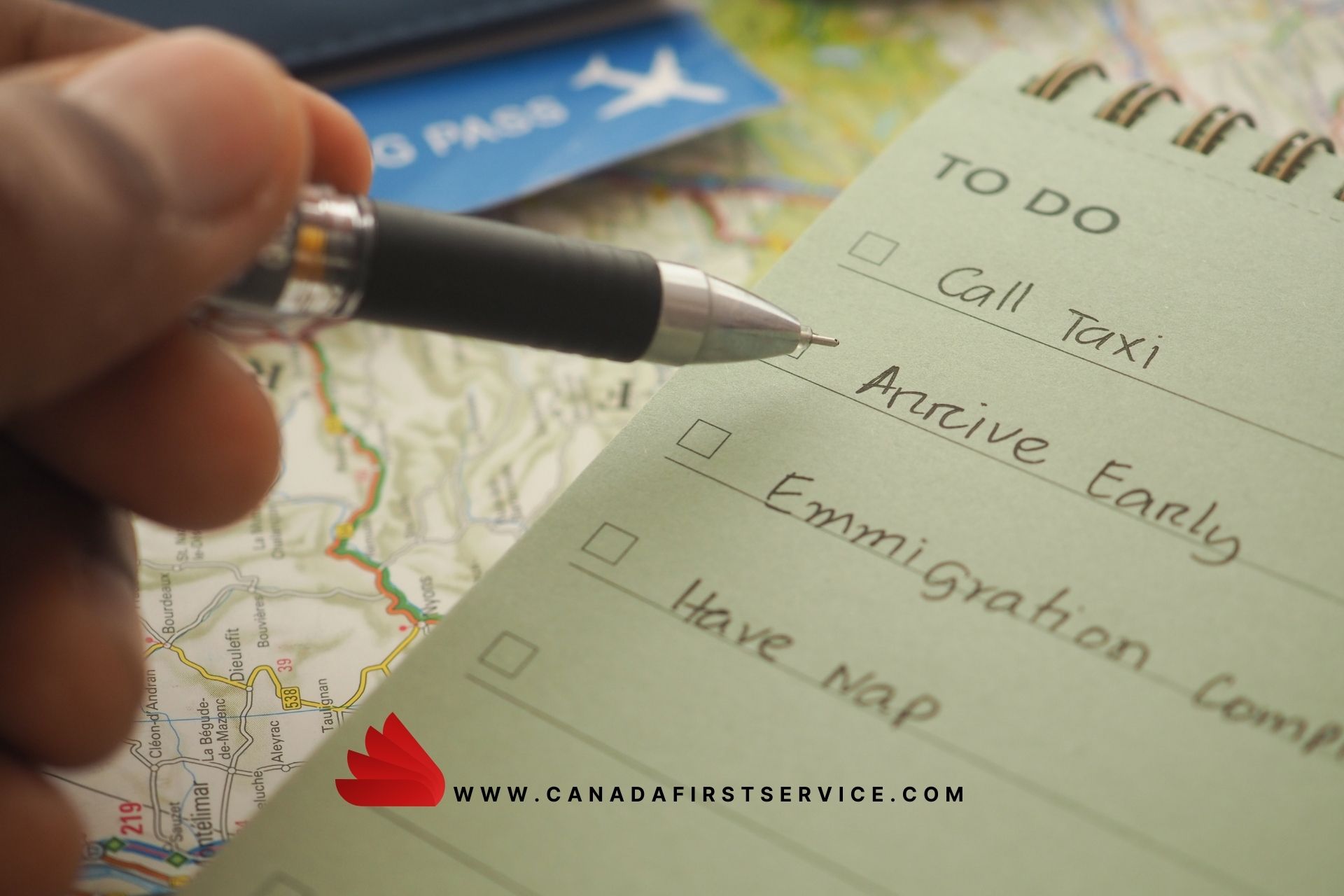

Arriving in Canada for the first time is a major life milestone—and an exciting one. Whether you are entering the country as a permanent resident, international student, temporary worker, or accompanying family member, your first days in Canada play a critical role in how smoothly you settle.
There are many important steps to take immediately after landing, from immigration formalities at the airport to setting up healthcare, banking, housing, and essential services. Missing or delaying these steps can create unnecessary stress later.
At canadafirstservice.com, we support newcomers at every stage of their settlement journey. If you need guidance after landing or want to make sure you’re taking the right steps from day one, you can connect with our experts for a free consultation and receive personalized settlement advice.
This comprehensive checklist walks you through everything you need to do—from landing at the airport to building a stable life in Canada.
Who This Newcomer Checklist Is For
This guide is designed for individuals and families arriving in Canada under various immigration categories, including:
Permanent residents through Express Entry, PNP, or family sponsorship
International students beginning their studies
Temporary foreign workers with valid work permits
Spouses and dependents accompanying a primary applicant
Parents or visitors arriving on Super Visas with long-term stay plans

1. What to Do at the Airport: Immigration and Entry Process
After landing at a Canadian airport, you will go through immigration and customs inspection conducted by the Canada Border Services Agency (CBSA). An officer will review your documents and may ask basic questions about your stay, accommodation, and purpose of travel.
Important Documents to Carry
Make sure you have the following documents easily accessible:
Passport
Confirmation of Permanent Residence (COPR), if applicable
Study or work permit approval letter
Proof of funds
Letter of introduction from IRCC (if issued)
Canadian address (temporary or permanent)
After completing the process, you may receive:
Your printed study or work permit
An entry stamp in your passport
Instructions for any additional steps if required
Tip: Always review your permit details before leaving the airport to ensure your name, dates, and conditions are correct.
2. Apply for Your Social Insurance Number (SIN)
A Social Insurance Number (SIN) is essential in Canada. You need it to work legally, receive government benefits, and file taxes.
Ways to Apply for a SIN
At select major airports (such as Toronto Pearson)
Online through Service Canada
In person at a Service Canada Centre
Required Documents
Passport
Immigration document (COPR, study permit, or work permit)
Applying for a SIN should be one of your top priorities after landing.
3. Apply for Provincial Health Insurance
Healthcare in Canada is managed at the provincial level, and each province has its own health insurance program. You should apply for your health card as soon as possible.
Health Coverage Examples by Province
Ontario (OHIP): Immediate coverage for most eligible residents
British Columbia (MSP): Coverage begins after a waiting period of up to three months
Alberta (AHCIP): Immediate coverage for eligible newcomers
If your province has a waiting period, purchasing private health insurance is strongly recommended until public coverage begins.
4. Open a Canadian Bank Account
Opening a Canadian bank account is essential for managing expenses, receiving income, and building credit history.
Documents Typically Required
Passport
Immigration document
Proof of address (hotel booking, lease, or letter)
Many banks offer newcomer banking packages, which may include:
Low or no monthly fees
Free international transfers
Access to credit-building products
5. Set Up a Mobile Phone Plan and Internet
Staying connected is critical for navigation, communication, job searching, and accessing services.
You can choose between:
Prepaid mobile plans
Monthly postpaid plans
To sign up, you usually need:
Valid identification
An unlocked phone or a device purchased in Canada
Home internet services are widely available and often bundled with mobile plans.
6. Find Short-Term or Long-Term Housing
If you don’t have permanent housing arranged, start with short-term accommodation while you explore neighborhoods.
Short-Term Housing Options
Home-sharing rentals
Hotels or motels
Temporary student residences
Long-Term Housing Considerations
When searching for a long-term rental, consider:
Distance to work or school
Public transportation access
Safety and affordability
Lease terms and utilities
Always verify listings carefully and avoid sending deposits before viewing a property in person.
7. Buy Essential Household Supplies
After arrival, you may need to purchase basic items such as:
Bedding and kitchen essentials
Toiletries and cleaning supplies
Weather-appropriate clothing, especially winter gear
Local grocery stores, department stores, and shopping malls offer everything you need at various price points.
8. Use Free Newcomer Settlement Services
Canada provides government-funded settlement services to help immigrants adjust to life in the country.
These services often include:
Free English or French language classes
Resume writing and job search support
Orientation sessions on healthcare, housing, and legal rights
Help enrolling children in school
These services are usually free and available through local settlement agencies.
9. Enroll Children in School
If you arrive with children, enrolling them in school should be done as soon as possible. Public education in Canada is free until Grade 12.
Documents Required for School Registration
Child’s passport
Immigration documents
Proof of address
Previous school records (if available)
Many schools offer ESL (English as a Second Language) programs to support newcomer students.
10. Start Working, Studying, or Planning Your Next Steps
Depending on your situation:
Students should finalize enrollment, attend orientation, and obtain student ID cards
Workers should confirm job details and onboarding requirements with employers
Job seekers can start preparing a Canadian-style resume and exploring opportunities
This is also a good time to plan future immigration steps, such as applying for permanent residence if you are eligible.