

Choosing between Vancouver and Toronto is one of the biggest decisions you’ll face when moving within Canada. These two world-class cities sit on opposite coasts and offer very different climates, lifestyles, and daily experiences.
Both cities provide strong career opportunities, cultural diversity, and a high standard of living—but how you live in each can feel completely different.
In this article, we take a quick, point-by-point look at Vancouver and Toronto, comparing key factors like cost of living, housing, jobs, lifestyle, climate, transportation, education, and culture. The goal is to give you a clear and practical overview of each city and highlight their main differences—so you can get familiar with both before making a decision.
At canadafirstservice.com, we help newcomers and residents make informed settlement choices across Canada. If you’re unsure which city better fits your goals, budget, and lifestyle, you can speak with our experts for a free consultation and receive personalized guidance before your move.
Vancouver vs. Toronto at a Glance
Before diving deep, here’s a quick overview:
Housing Costs: Vancouver homes average $1.1–$1.2M; Toronto ranges from mid-$900s to $1.1M
Climate: Vancouver has mild, rainy winters; Toronto has cold, snowy winters and hot summers
Job Market: Toronto offers more overall opportunities; Vancouver excels in tech and film
Lifestyle: Toronto is fast-paced and career-driven; Vancouver prioritizes work-life balance
Cost of Living: Vancouver is about 5–6% more expensive overall
Transportation: Both have strong public transit; Toronto’s system is more extensive
Nature Access: Vancouver offers mountains and ocean nearby; Toronto offers parks and lakefront
Culture & Nightlife: Toronto is louder and busier; Vancouver is calmer and earlier nights
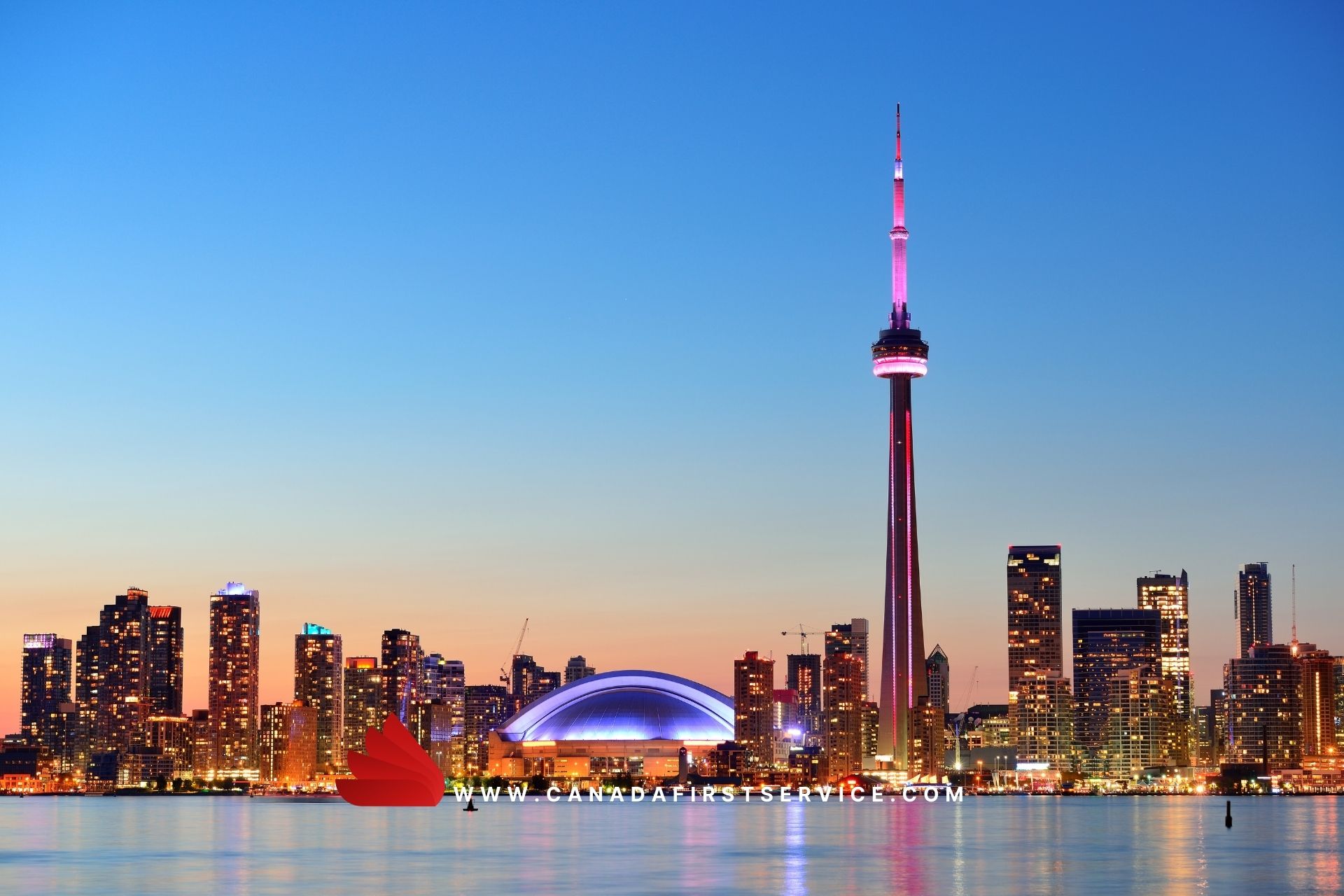
Housing Market Comparison: Vancouver vs. Toronto
Current Housing Market Overview
Vancouver and Toronto consistently rank as Canada’s most expensive housing markets.
Vancouver: Benchmark home prices average between $1.1 and $1.2 million
Toronto: Benchmark prices range from the mid-$900,000s to around $1.1 million
A major factor driving Vancouver’s prices is geography. The city is boxed in by the Pacific Ocean, mountains, the U.S. border, and rivers—severely limiting expansion. Toronto, while still expensive, has more room to grow outward.
Housing Costs by Property Type
Vancouver:
Detached homes: ~ $2.1M
Townhouses: $1.1–$1.2M
Condos: Mid-$700,000s
One-bedroom rent: $2,300–$2,500/month
Toronto:
Detached homes: $1.2–$1.4M (varies by neighbourhood)
Townhouses: $900,000–$1M
Condos: $600,000–$700,000
One-bedroom rent: $2,000–$2,100/month
Cost of Living: Which City Is More Expensive?
Overall Living Costs
Vancouver generally ranks as Canada’s most expensive city, with living costs about 5–6% higher than Toronto.
Groceries and Daily Expenses
Vancouver: ~$200–$230/month per person
Toronto: ~$180–$210/month per person
Vancouver benefits from cheaper fresh seafood due to its coastal location, while Toronto often offers lower prices on meat, dairy, and seasonal produce from Ontario farms.
Transportation Costs
Vancouver (TransLink – zone-based):
1 zone: $111.60
2 zones: $149.25
3 zones: $201.55
Toronto (TTC – flat rate):
Monthly pass: $156
Gas prices tend to be lower in Vancouver, while Toronto drivers generally pay more at the pump.
Utilities, Dining, and Entertainment
Utilities: Vancouver ~$120/month | Toronto ~$180/month
Mid-range dinner for two: $100–$120
Movie ticket: $15–$18
Gym membership: $50–$80/month
Toronto offers more nightlife and events, while Vancouver leans toward outdoor recreation and casual dining.
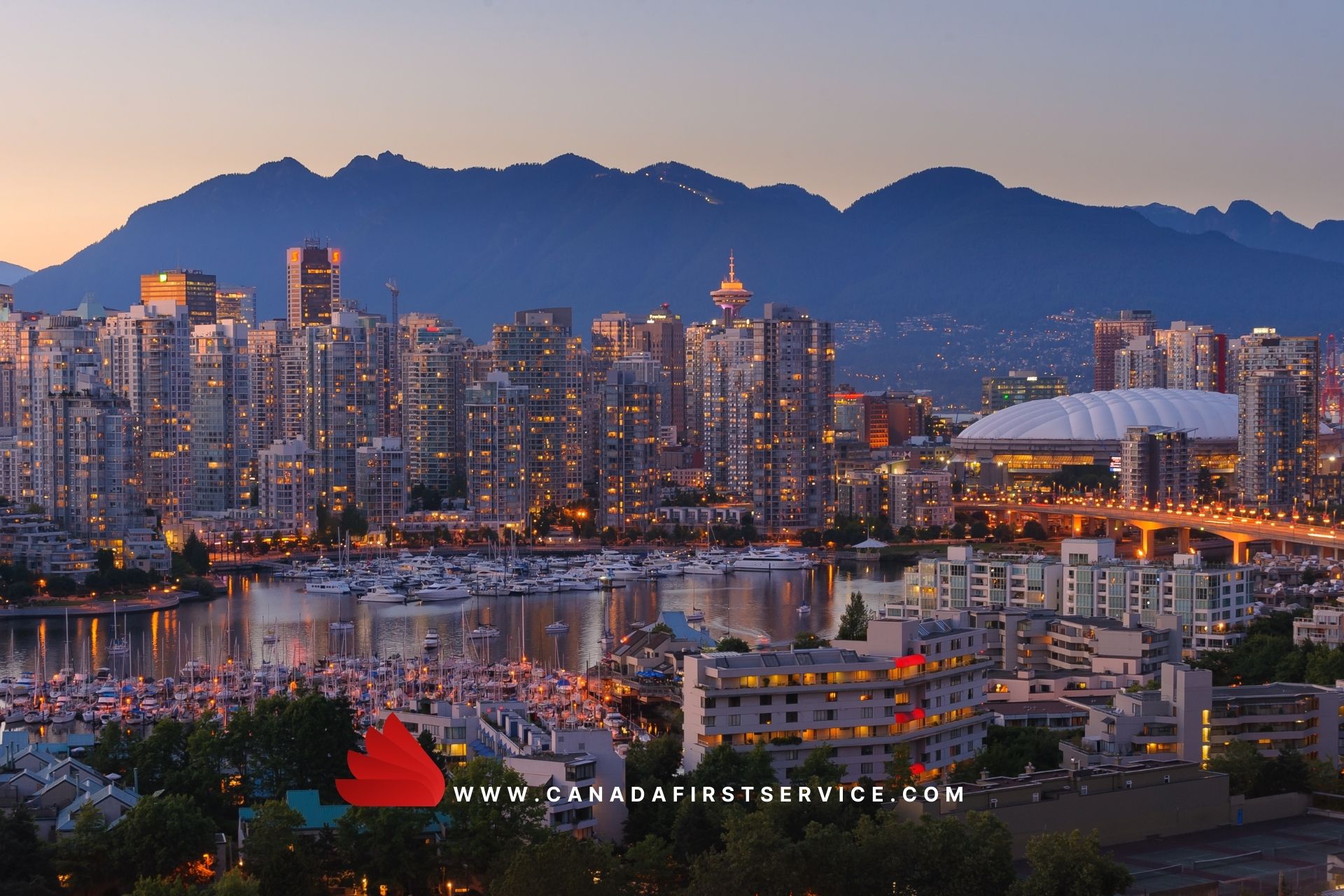
Job Market and Career Opportunities
Toronto: Canada’s Economic Engine
Toronto is the country’s financial and business hub, contributing roughly 20% of Canada’s GDP.
Strong industries include:
Finance and banking
Technology and corporate IT
Healthcare and medical research
Media and entertainment
Real estate and professional services
Vancouver: Tech, Film, and Green Innovation
Vancouver has grown into a major tech and creative hub, attracting global companies and startups.
Key industries include:
Technology and software development
Film and television production (“Hollywood North”)
Tourism and hospitality
Clean energy and environmental tech
Digital media and gaming
Industry-Specific Takeaway
Finance & Banking: Toronto clearly leads
Technology: Strong in both cities, with different cultures
Film & TV: Vancouver dominates
Healthcare: More specialized roles in Toronto
Lifestyle and Pace of Life
Life in Toronto
Toronto runs fast. The culture is ambitious, career-focused, and competitive. Long work hours are common, but so are endless networking events, restaurants, and nightlife.
If you thrive in a high-energy, urban environment with constant opportunities, Toronto delivers.
Life in Vancouver
Vancouver is calmer. Residents prioritize wellness, outdoor activity, and balance. Evenings are quieter, and weekends often revolve around hiking, cycling, or being near the water.
The mindset shifts from career status to quality of life.
Climate and Weather Comparison
Vancouver’s Mild but Rainy Climate
Winter: 0–10°C, minimal snow
Rainfall: ~1,200mm annually
Summers: 20–25°C, dry and sunny
Grey skies dominate winter months, which some people find challenging.
Toronto’s Four True Seasons
Winter: -5 to -10°C with snow
Summer: 27–30°C with humidity
Rainfall: ~800mm annually
Toronto experiences more extreme temperature swings but more winter sunshine than Vancouver.
Outdoor Activities and Recreation
Vancouver: Nature at Your Doorstep
Mountains, beaches, and forests within 30 minutes
Local skiing and snowboarding
World-class hiking and cycling
Stanley Park (larger than Central Park)
Toronto: Urban Green Spaces and Day Trips
Large parks and ravine systems
Lake Ontario waterfront and Toronto Islands
Winter skating rinks
Great weekend escapes like Niagara Falls and Muskoka
Arts, Culture, and Entertainment
Toronto’s Cultural Scale
World-class museums and galleries
Theatre scene rivaling Broadway
Major music tours and festivals
Teams in all four major North American sports leagues
Vancouver’s Creative Scene
Strong regional arts and Indigenous culture
Renowned film and music festivals
Intimate theatre and indie music venues
Passionate hockey culture
Transportation and Commuting
Toronto’s transit network is larger and more extensive, while Vancouver’s system is efficient within the urban core. Both cities face congestion during rush hours, though Toronto traffic is generally heavier.
Both downtowns are highly walkable.
Education and Healthcare
Both cities offer excellent education and healthcare under Canada’s public systems.
Toronto has more universities and specialized hospitals
Vancouver’s UBC is one of Canada’s top-ranked research universities
Healthcare quality is high in both, though wait times can be long.