

Introduction
Obtaining Permanent Residence (PR) is one of the most important goals for many newcomers in Canada. Permanent residents enjoy many of the same rights and benefits as Canadian citizens, including the ability to live, work, and study anywhere in the country.
While Canada’s immigration system offers several pathways to permanent residence, the process can feel overwhelming due to eligibility requirements, documentation, deadlines, and government procedures. Understanding the available options and preparing properly can significantly improve your chances of success.
At Canada First Service, we help newcomers understand their immigration options and navigate settlement challenges with confidence. If you’re considering applying for permanent residence, you can also take advantage of our free consultation to better understand your available pathways.
What Is Permanent Residence (PR) in Canada?
Permanent Residence allows foreign nationals to live in Canada on a long-term basis. PR holders can:
Live and work anywhere in Canada
Access many public services and benefits
Sponsor eligible family members
Eventually apply for Canadian citizenship if they meet the requirements
Although permanent residents have many rights, they must also meet residency obligations and comply with Canadian laws to maintain their status.
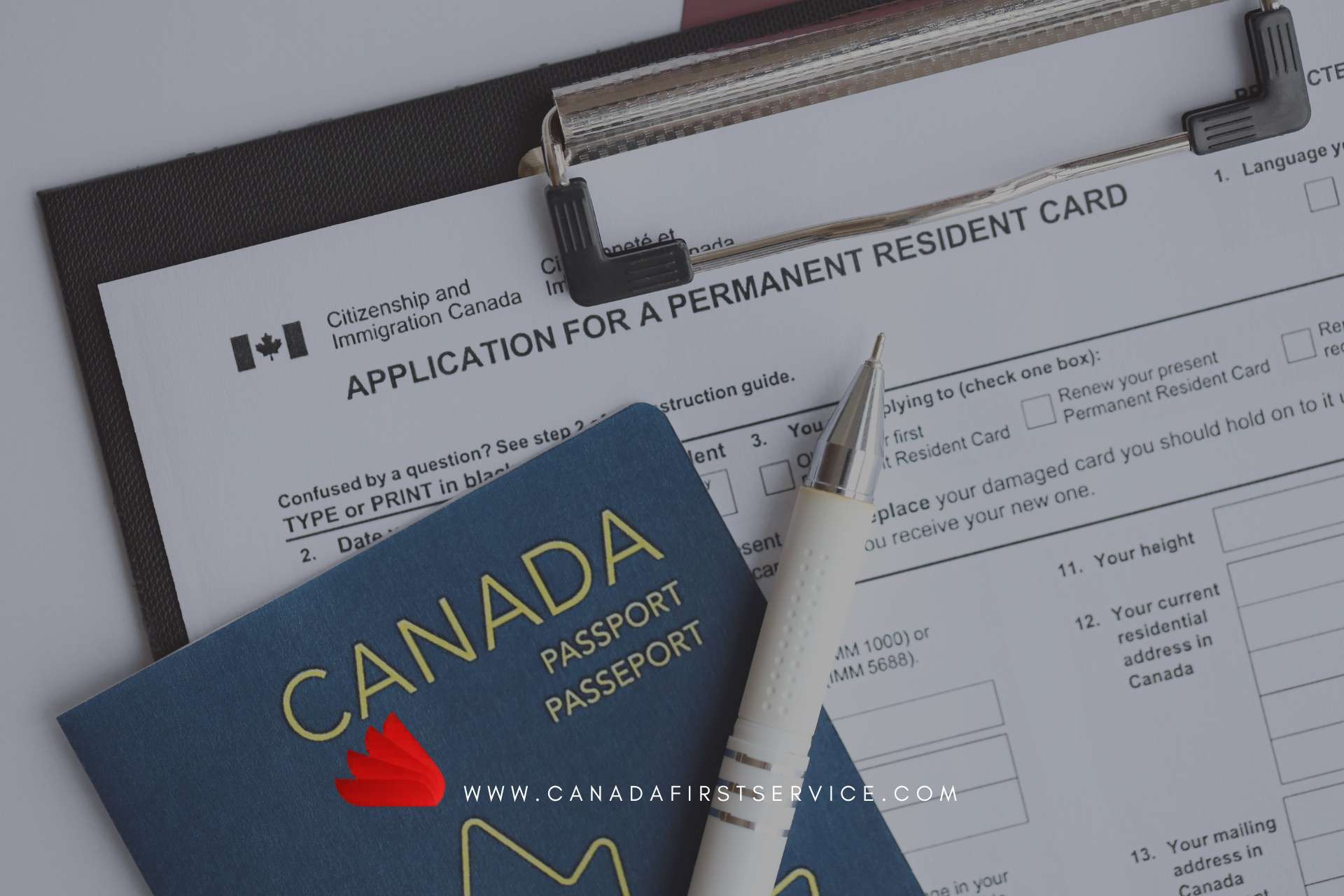
The Most Popular Pathways to Permanent Residence
Canada offers several immigration programs, but two of the most common routes for newcomers are Express Entry and the Provincial Nominee Program (PNP).
Express Entry
Express Entry is Canada’s primary immigration system for skilled workers.
Candidates create an online profile and receive a Comprehensive Ranking System (CRS) score based on factors such as:
Age
Education
Work experience
Language proficiency
Canadian work experience
Additional qualifications
The highest-ranking candidates may receive an Invitation to Apply (ITA) for permanent residence during Express Entry draws.
Provincial Nominee Program (PNP)
The Provincial Nominee Program allows provinces and territories to nominate candidates who meet local labour market needs.
A provincial nomination can significantly increase an applicant’s chances of receiving an invitation for permanent residence.
Popular PNP destinations include:
Ontario
British Columbia
Alberta
Saskatchewan
Manitoba
Each province operates its own streams and eligibility requirements.
What Happens After Receiving an Invitation to Apply (ITA)?
Receiving an Invitation to Apply is an important milestone, but it is not the final approval.
Once invited, applicants generally have a limited period to complete and submit their permanent residence application. During this stage, accuracy becomes critical because incomplete or incorrect information can lead to delays or refusals.
Applicants should begin gathering their required documents immediately after receiving an invitation.

Documents Commonly Required for a PR Application
The exact requirements vary depending on the immigration program and personal circumstances, but many applicants will need to provide:
Passport and identification documents
Language test results
Educational credentials
Employment records
Police clearance certificates
Proof of funds
Marriage or relationship documents (if applicable)
Birth certificates for dependent children
If documents are not in English or French, certified translations may also be required.
Preparing these documents early can help avoid unnecessary delays during the application process.
Medical Exams and Biometrics
Most permanent residence applicants must complete an Immigration Medical Examination (IME) conducted by an approved panel physician.
The purpose of the medical exam is to ensure that applicants do not present a risk to public health or create excessive demands on Canada’s healthcare system.
Applicants may also be required to provide biometric information, including fingerprints and photographs, as part of the immigration process.
Because medical exams and biometrics have validity periods, timing is an important factor when preparing an application.

Understanding PR Application Fees
Permanent residence applications involve several government fees that may include:
Processing fees
Right of Permanent Residence Fee (RPRF)
Biometrics fees
The total amount depends on the applicant’s family situation and the immigration program being used.
Applicants should budget for these costs in advance to avoid delays when submitting their application.
Need Professional Guidance With Your Immigration Process?
Canada’s immigration system involves strict requirements, deadlines, and documentation standards. Missing information or submitting incorrect documents can result in delays, additional costs, or even application refusals.
At Canada First Service, our Legal Services are designed to help newcomers better understand immigration procedures, avoid common mistakes, and navigate important legal and administrative requirements with confidence. Access to reliable guidance can save both time and unnecessary stress throughout your immigration journey.
What If Your Situation Changes During the Application Process?
Changes in your personal circumstances can affect your eligibility or immigration score.
Examples include:
Expired language test results
Changes in employment status
Expired work permits
Marriage or divorce
Birth of a child
Loss of a valid job offer
Changes to a provincial nomination
Whenever significant changes occur, applicants should review their eligibility and ensure their information remains accurate and up to date.
Understanding Your Legal Responsibilities After Immigration
Obtaining permanent residence is only one part of building a successful future in Canada. After receiving your status, newcomers often face additional legal and administrative requirements related to settlement, documentation, employment, taxes, and everyday life.
To learn more about these important topics, read our guide on Post-Immigration Legal Services for Newcomers in Canada, where we explore the legal support many newcomers need after arriving and settling in Canada.
Common Mistakes to Avoid When Applying for PR
Many applicants experience delays because of avoidable errors.
Some of the most common mistakes include:
Missing application deadlines
Submitting incomplete documentation
Providing inaccurate information
Failing to update profile changes
Allowing language test results to expire
Waiting too long to gather supporting documents
Careful preparation and attention to detail can significantly improve the application experience.