

Introduction
Moving to Canada comes with many opportunities, but it also means adapting to a new legal system, new rules, and new responsibilities. Many newcomers unintentionally make legal mistakes during their first months in Canada simply because they are unfamiliar with local laws and procedures.
The good news is that most of these issues can be avoided with the right information and guidance. Whether you’re a new permanent resident, international student, temporary worker, or recent immigrant, understanding your legal responsibilities can save you time, money, and unnecessary stress.
If you’re unsure about legal documents, immigration requirements, or administrative processes, Canada First Service offers free consultations and professional support through its Legal Services to help newcomers navigate life in Canada with confidence.
Why Understanding Canadian Laws Matters for Newcomers
Many newcomers focus on finding housing, employment, and transportation after arrival. While these priorities are important, understanding your legal obligations is equally essential.
A missed deadline, an incorrectly completed form, or a misunderstanding of your rights can lead to delays, financial penalties, or even immigration complications. Learning the basics early helps protect your status and allows you to settle more smoothly.

1. Missing Immigration Deadlines and Status Renewals
One of the most common legal mistakes newcomers make is assuming their immigration documents will automatically remain valid.
Depending on your status, you may need to renew:
- Work permits
- Study permits
- Visitor records
- Permanent Resident cards
Missing renewal deadlines can create unnecessary complications and may affect your ability to work, study, or remain in Canada legally.
Keeping a personal calendar of important immigration dates is one of the simplest ways to avoid this issue.
If you’re planning your long-term future in Canada, our guide on How to Get Permanent Residence (PR) in Canada can help you better understand available pathways and requirements.
2. Signing Contracts Without Fully Understanding Them
In Canada, signed agreements are generally legally binding.
Newcomers sometimes sign contracts for:
- Rental housing
- Cell phone plans
- Internet services
- Employment agreements
- Vehicle financing
without fully understanding the terms and conditions.
Before signing any document, make sure you understand:
- The length of the agreement
- Cancellation policies
- Fees and penalties
- Your rights and responsibilities
If anything is unclear, ask questions before signing.
3. Providing Incorrect Information on Official Forms
Whether dealing with immigration applications, tax documents, government services, or employment paperwork, accuracy is extremely important.
Even small errors can cause:
- Processing delays
- Requests for additional documents
- Application refusals
- Future complications with government records
Always review information carefully before submission and keep copies of everything you submit.
4. Ignoring Employment Rights and Workplace Laws
Many newcomers are unfamiliar with Canadian employment standards and may not realize they are protected by law.
Employees in Canada generally have rights related to:
- Minimum wage
- Workplace safety
- Overtime pay
- Vacation entitlements
- Protection from discrimination
Some newcomers accept unfair treatment because they assume it is normal or because they fear losing their job.
Understanding your rights can help you recognize when something is not legally acceptable.
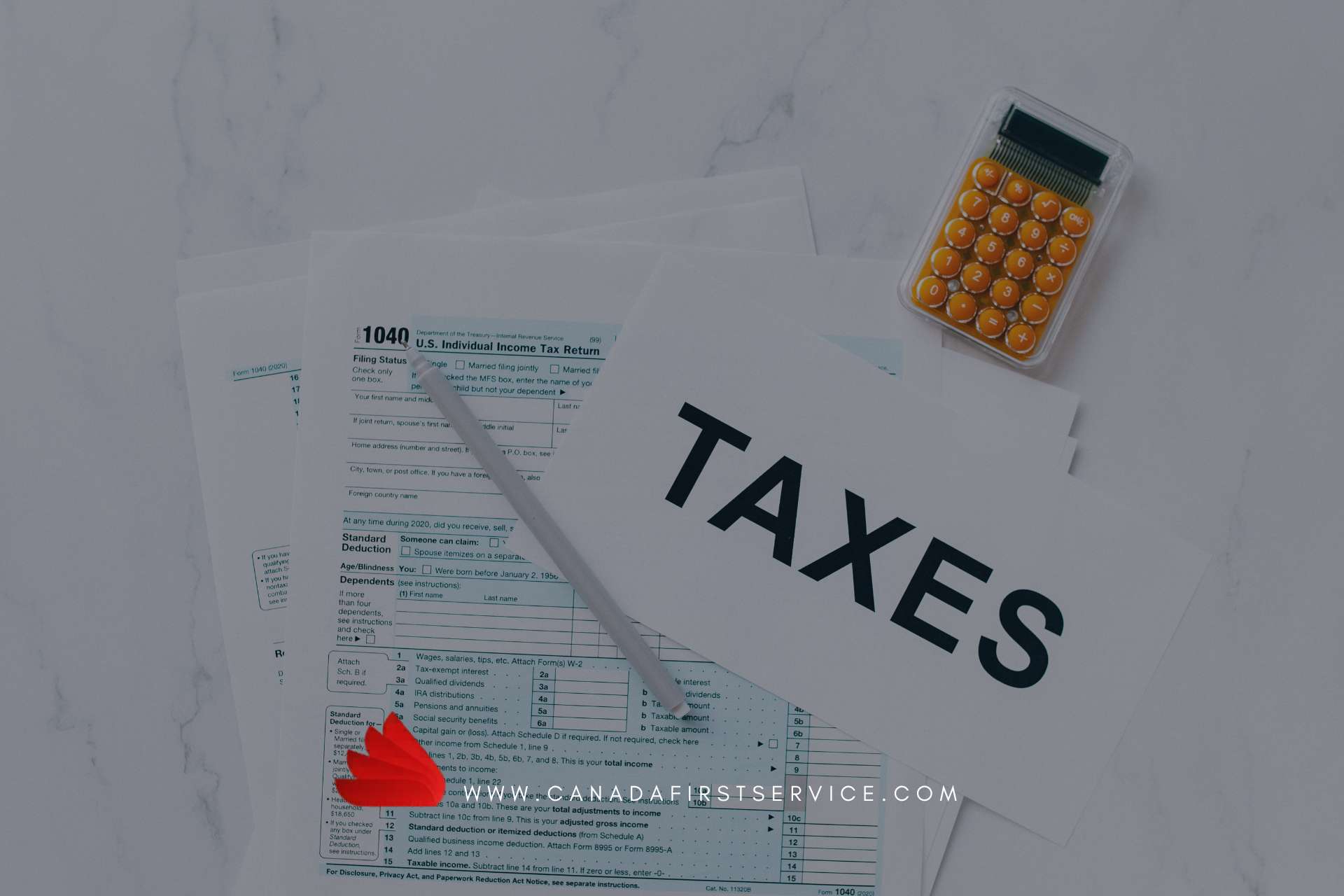
5. Failing to File Taxes
A common misconception is that taxes only matter if you earn a high income.
In reality, most residents of Canada should file annual tax returns, even if they had little or no income during the year.
Filing taxes can help newcomers:
- Maintain eligibility for government benefits
- Receive tax credits
- Build financial records
- Avoid future complications
Missing tax obligations can create unnecessary administrative and legal issues later.
6. Violating the Conditions of Your Immigration Status
Every immigration category comes with specific conditions.
For example:
- International students may need to maintain enrollment requirements.
- Temporary workers may be restricted to specific work authorizations.
- Visitors generally cannot work without proper authorization.
Violating these conditions, even unintentionally, may affect future immigration applications.
Before accepting a job, changing schools, or making significant changes to your situation, verify how those changes could impact your status.
7. Relying on Unofficial Immigration Advice
Social media groups, online forums, and friends often share immigration advice based on personal experiences.
While well-intentioned, this information may be outdated, incomplete, or incorrect.
Immigration programs and legal requirements change regularly. Decisions should always be based on official government information or qualified professional guidance.
Making important legal decisions based solely on internet comments can lead to costly mistakes.
8. Not Keeping Important Documents Organized
Many newcomers underestimate the importance of maintaining proper records.
Keep copies of:
- Passports
- Immigration documents
- Tax records
- Employment contracts
- Lease agreements
- Government correspondence
Organized records can save significant time if you need to prove your status, respond to government requests, or complete future applications.
9. Misunderstanding Tenant Rights and Responsibilities
Housing laws vary by province, and many newcomers are unfamiliar with their rights as tenants.
Common mistakes include:
- Paying deposits that are not legally required
- Failing to document property conditions
- Not understanding lease termination rules
- Ignoring written notices from landlords
Learning the basics of local tenancy laws can help prevent disputes and protect your rights.
10. Waiting Too Long to Seek Professional Help
Many legal issues become more difficult—and more expensive—to resolve when they are ignored.
Whether you’re dealing with immigration paperwork, legal notices, contract questions, or administrative challenges, seeking advice early can often prevent bigger problems later.
Our Legal Services team helps newcomers understand their options, avoid common mistakes, and navigate legal and administrative requirements with confidence.
Do newcomers have the same legal rights as Canadian citizens?
In many areas, yes. Newcomers are protected by Canadian laws relating to employment, housing, human rights, and workplace safety, regardless of their immigration status.
Can a mistake on an immigration application lead to refusal?
Yes. Inaccurate or incomplete information may result in delays, requests for additional documentation, or application refusal.
Is it mandatory to file taxes as a newcomer?
In most cases, newcomers who become residents for tax purposes should file annual tax returns, even if their income is low.
Can I work in any job if I have a work permit?
Not always. Some work permits contain specific conditions regarding employers, locations, or job types.
When should I seek legal or professional assistance?
Whenever you're unsure about immigration requirements, contracts, legal notices, or government documents, it's best to seek guidance before making important decisions.
Frequently Asked Questions
Conclusion
Most legal problems newcomers face in Canada are not caused by intentional mistakes—they happen because the rules are unfamiliar. Understanding your rights, keeping documents organized, respecting immigration requirements, and seeking reliable guidance when needed can help you avoid many common challenges.
Building a successful life in Canada involves more than finding a job or a home. It also means understanding the legal responsibilities that come with living in a new country. By staying informed and proactive, you can protect your status, avoid unnecessary complications, and focus on building your future with confidence