

Moving to Canada comes with a long checklist.
Finding a place to live, opening a bank account, applying for healthcare, and looking for a job are usually at the top of that list.
But before many of these things can happen, there’s one document you’ll almost certainly need first: your Social Insurance Number (SIN).
Without a SIN, you cannot legally work in Canada, and you may not be able to access certain government programs and benefits.
The good news? Applying for a SIN is usually a straightforward process when you understand the requirements and prepare your documents in advance.
In this guide, you’ll learn exactly what a SIN is, who needs one, how to apply, which documents you’ll need, and what mistakes newcomers should avoid.
If you need personalized assistance, Canada First Service offers free consultations and administrative support to help newcomers complete important settlement tasks correctly and on time.
What Is a Social Insurance Number (SIN)?
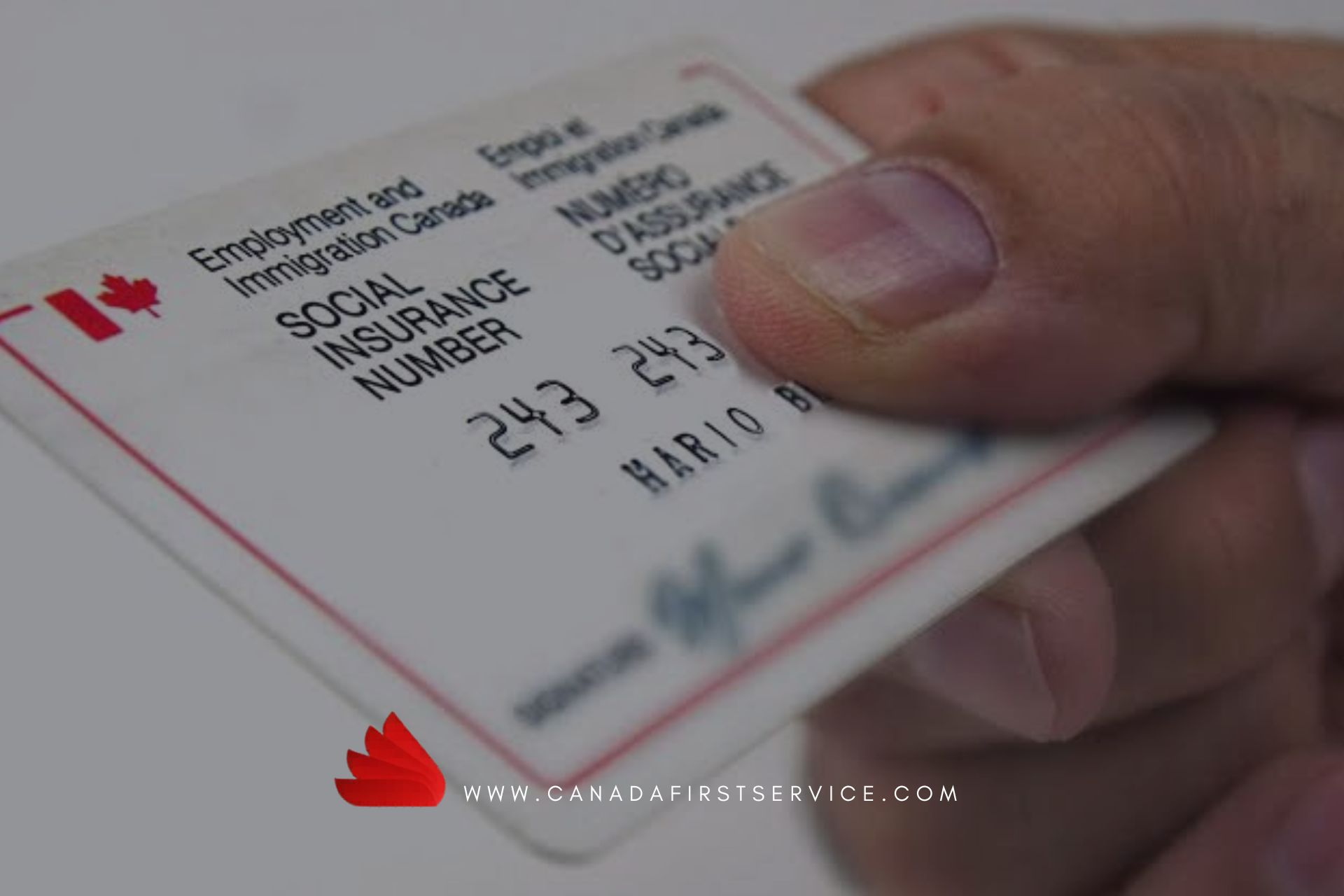
A Social Insurance Number (SIN) is a unique nine-digit number issued by the Canadian government.
Your SIN is used to:
- Work legally in Canada
- Receive employment income
- Pay taxes
- Access certain government programs
- Apply for government benefits
- Open some financial accounts
- Build your financial and employment records
In simple terms, your SIN becomes one of the most important identification numbers you’ll use while living in Canada.
Who Needs a SIN in Canada?
Most newcomers need a SIN shortly after arriving in Canada.
You should apply for a SIN if you are:
- A permanent resident
- A temporary foreign worker
- An international student authorized to work
- A protected person
Even if you don’t plan to start working immediately, it’s still a good idea to apply as soon as possible.
Many employers will ask for your SIN during the hiring process, and delaying your application could postpone your employment start date.
When Should You Apply for a SIN?
The best time to apply is immediately after arriving in Canada.
Many newcomers wait until they find a job before applying, but this often creates unnecessary delays.
Your first few weeks in Canada are usually filled with administrative tasks, including:
- Finding housing
- Opening a bank account
- Registering for healthcare
- Choosing a phone plan
- Looking for employment
- Completing government paperwork
Adding your SIN application to your arrival checklist can help you settle more efficiently.
If you’re still deciding where to live, our article, “Which Canadian Province Is Best for Newcomers in 2026?”, can help you compare different provinces and choose the right location for your new life in Canada.

How to Apply for a SIN Number in Canada
There are three ways to apply:
Apply online
Most newcomers choose the online application option.
The online process allows you to upload your documents securely and complete the application from home.
You’ll need to:
- Complete the online application
- Upload supporting documents
- Submit your application
- Wait for verification
Apply in person
You can also apply by visiting a Service Canada Centre.
Applying in person may be helpful if:
- You have questions about your documents
- Your immigration status is more complex
- You prefer face-to-face assistance
Many newcomers choose this option because they can often receive assistance immediately if there are any issues with their application.
Apply by mail
Applying by mail is also possible, although it’s usually the slowest option.
Unless you have a specific reason for using traditional mail, online or in-person applications are generally more practical.
Documents You’ll Need Before Applying
The documents required depend on your immigration status.
Permanent residents
You’ll typically need one of the following:
- Confirmation of Permanent Residence (COPR)
- Permanent Resident Card
Temporary residents
You may need:
- A work permit
- A study permit that authorizes employment
- A visitor record that includes authorization to work
Identity verification
In addition to your immigration documents, you may also need supporting identification documents.
Before submitting your application, make sure that:
- Your legal name is spelled correctly
- Your documents haven’t expired
- All information is consistent across your records
Even a small discrepancy can delay the process.

Understanding Temporary and Permanent SIN Numbers
Not all SIN numbers are the same.
SIN numbers beginning with 9
A SIN that starts with the number 9 is usually issued to temporary residents.
This type of SIN has an expiration date that matches your immigration document.
If you renew your work permit or study permit, you should also update your SIN information.
Permanent SIN numbers
Permanent residents receive a SIN that does not expire.
However, you should still keep your information updated if your legal name or immigration status changes.
Common Mistakes Newcomers Make When Applying for a SIN
Many delays happen because of avoidable mistakes.
The most common issues include:
Waiting too long to apply
Applying early prevents delays when you’re ready to start working.
Using inconsistent documents
Your name should appear exactly the same on all submitted documents.
Sharing your SIN unnecessarily
Your SIN is confidential information.
Only share it when it’s legally required.
Employers, government agencies, and financial institutions may request it, but many other organizations don’t need access to it.
Forgetting to update information after renewing a permit
If you’re a temporary resident, remember that your SIN may be linked to your immigration document’s expiration date.
Always keep your records current.
How Canada First Service Can Help
Applying for a SIN may seem simple, but many newcomers quickly discover that government paperwork often raises additional questions.
What should you do after receiving your SIN?
Should you apply for healthcare next?
Which documents should you prioritize?
What other administrative tasks should be completed during your first month in Canada?
That’s where Canada First Service can help.
Our Administrative Support Services are designed to help newcomers navigate important settlement tasks with confidence.
We provide guidance with:
- SIN applications
- Government forms
- Health card registration
- Finding a family doctor
- Health insurance guidance
- Phone plans and SIM card selection
- Document preparation
- Administrative paperwork
If you’re unsure about the next step, our team offers a free consultation to help you create a personalized settlement plan based on your situation.
Planning Your Next Steps After Receiving Your SIN
Receiving your SIN is only one part of the settlement process.
Your next steps may include:
- Opening a bank account
- Registering for provincial healthcare
- Finding permanent housing
- Looking for employment
- Building your credit history
- Setting up your phone plan
Trying to complete everything at once can feel overwhelming.
Having a clear plan makes the process much easier.
If you need additional support, you can also explore our Administrative Support services for step-by-step guidance throughout your settlement journey.