
Introduction
Moving to Canada is an exciting new chapter, but adjusting to a new transportation system can be challenging. Whether you’re commuting to work, attending school, or exploring your new city, understanding how transportation works in Canada can make daily life much easier.
From buses and subways to trains, ride-sharing services, and domestic travel options, Canada offers a variety of ways to get around. For most newcomers, public transportation is often the most affordable and convenient place to start.
At Canada First Service, we understand these challenges because we’ve experienced them ourselves. Through our firsthand experience and support resources, we help newcomers navigate life in Canada with greater confidence. In this guide, we’ll explore the transportation options available across Canada and share practical tips to help you travel safely and efficiently.
Understanding Transportation Options in Canada
Canada offers a wide variety of transportation methods depending on your location, budget, and travel needs.
In major metropolitan areas such as Toronto, Vancouver, Montreal, Calgary, and Ottawa, public transportation networks are well-developed and allow residents to travel without owning a vehicle. Smaller cities and rural communities may rely more heavily on personal vehicles and regional bus services.
The most common transportation options available in Canada include:
Public Transit
Public transit forms the backbone of transportation in most Canadian cities. Public transit networks may include:
Buses
Subway systems
Light rail transit (LRT)
Streetcars and trams
Commuter trains
Many newcomers rely exclusively on public transportation during their first months in Canada because it is affordable, accessible, and easy to learn.
Personal Vehicles
Owning a vehicle provides flexibility, especially in suburban and rural areas where public transit may be limited.
Many newcomers eventually choose to purchase, lease, or rent a vehicle after becoming familiar with Canadian driving regulations and obtaining a driver’s licence.
Ride-Sharing and Taxis
Ride-sharing platforms such as Uber and Lyft are widely available throughout Canada’s major cities. Traditional taxi services also remain common and can be found in airports, downtown areas, hotels, and transportation hubs.
These options are particularly useful when public transit is unavailable or when travelling late at night.
Intercity and Provincial Transportation
Travelling between cities and provinces is relatively straightforward thanks to Canada’s extensive transportation infrastructure. Canadians commonly travel by:
Domestic flights
Passenger trains
Intercity buses
Ferries in coastal regions
The best option often depends on distance, budget, and travel preferences.
New to Canada’s Transportation System?
From public transit and commuting to understanding your local transportation options, Canada First Service offers Transportation Services designed to help newcomers travel with confidence and settle into life in Canada more easily.
How Public Transit Works in Canadian Cities
Most Canadian cities operate public transit systems through local transportation authorities. While each city has its own network, the overall structure is generally similar across the country.
Public transit is designed to provide reliable transportation between residential neighbourhoods, business districts, schools, healthcare facilities, and entertainment areas.
Bus Networks
Buses are the most common form of public transportation in Canada.
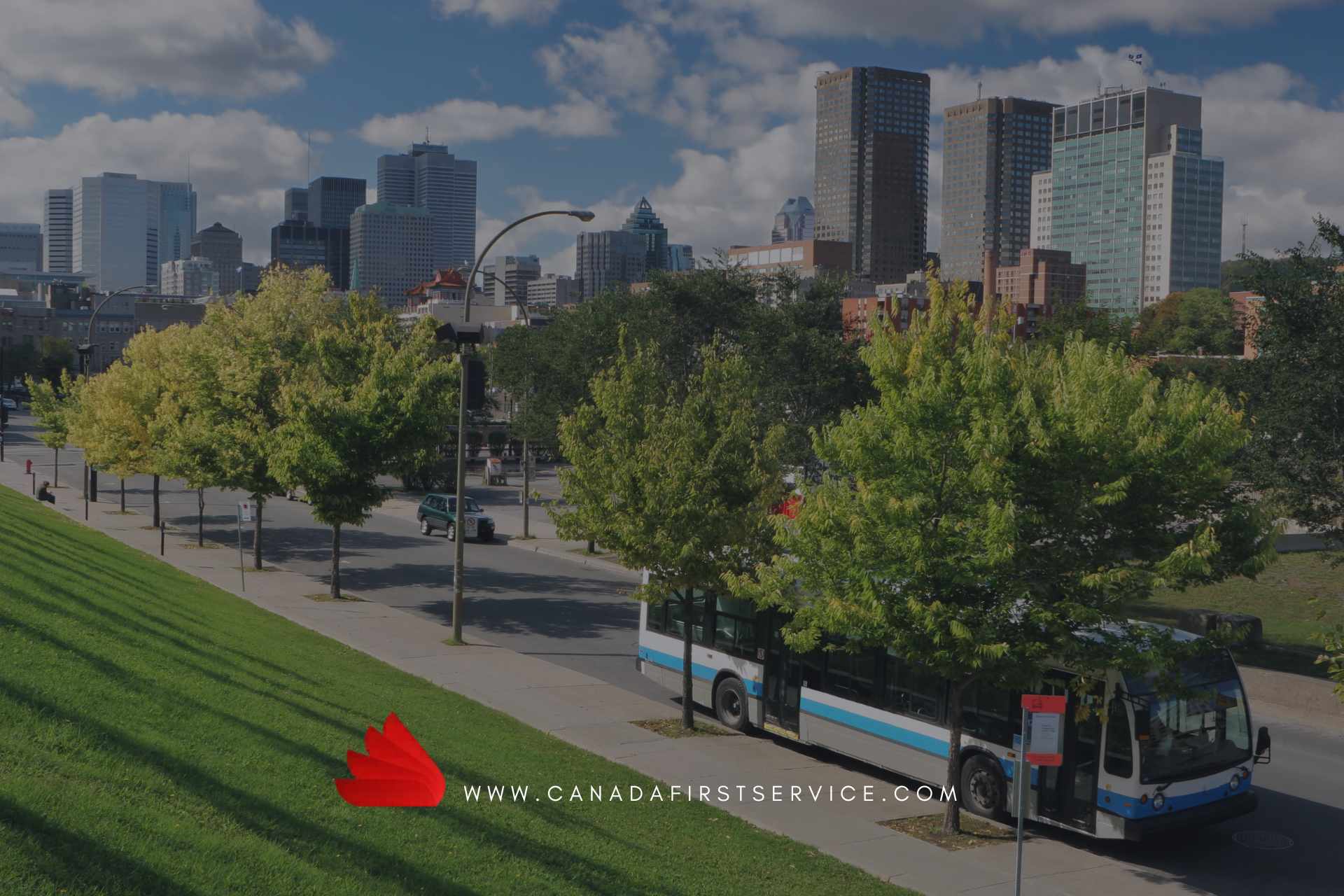
Virtually every city and town offers bus services, making them the most accessible transit option for newcomers. Bus routes typically connect residential areas with major transit hubs, shopping centres, schools, and workplaces.
Most buses are equipped with accessibility features, including wheelchair ramps and designated seating areas for passengers with mobility challenges.
Subway and Metro Systems
Subway systems are available in Canada’s largest urban centres.
These systems provide fast transportation through high-density areas and are often the preferred choice for commuters travelling longer distances within a city.
Subways generally operate more frequently than buses and are less affected by road traffic.
Light Rail and Streetcars
Many Canadian cities have invested heavily in light rail transit systems and streetcars.
These transportation methods help bridge the gap between buses and subways, offering reliable service while reducing traffic congestion.
Cities such as Calgary, Edmonton, Ottawa, and Waterloo have developed extensive light rail networks that continue to expand.
Payment Methods and Transit Passes
Most transit systems use electronic payment methods, making commuting easier than ever.
Depending on the city, passengers can pay using:
Reloadable transit cards
Mobile payment applications
Credit or debit cards
Single-use tickets
Monthly transit passes
For newcomers who use public transit regularly, monthly passes often provide the best value and can significantly reduce transportation expenses.
Before moving into a new neighbourhood, it is advisable to research nearby transit routes and station access. Convenient transportation can have a major impact on daily life, employment opportunities, and overall quality of life.
Tips for Using Public Transportation as a Newcomer
Adjusting to a new transportation system can feel overwhelming at first, especially when navigating unfamiliar routes and schedules.
Fortunately, Canadian transit systems are designed to be user-friendly, and a few simple strategies can make the transition much easier.
Plan Your Route Before Leaving
Most transit agencies provide online trip planners and mobile applications that allow users to map their journeys in advance.
Checking schedules before leaving home can help avoid unnecessary delays and confusion.
Arrive Early
Punctuality is highly valued in Canada. Arriving a few minutes early at bus stops and transit stations helps ensure that you do not miss your connection.
This is especially important during winter months when weather conditions may affect schedules.
Learn Basic Transit Etiquette
Canadian public transit culture places strong emphasis on respect and consideration for others.
Common expectations include:
Allowing passengers to exit before boarding
Keeping doorways clear
Respecting personal space
Offering priority seating to seniors, pregnant individuals, and passengers with disabilities
Keeping noise levels low
These simple practices contribute to a more comfortable experience for everyone.
What to Do If You Get Lost
Getting lost happens to almost every newcomer at some point.
If you are unsure about your route, don’t hesitate to:
Ask a transit employee for assistance
Speak with a fellow passenger
Use transit maps and mobile applications
Contact customer support services
Canadians are generally approachable and willing to help when asked politely.

Travelling Between Cities and Provinces in Canada
One of the most surprising aspects of life in Canada for many newcomers is the sheer size of the country. Distances between cities can be much greater than expected, making it important to understand the transportation options available for regional and long-distance travel.
Whether you are visiting family, attending a job interview, exploring a new province, or planning a weekend getaway, Canada offers several convenient ways to travel.
Domestic Air Travel
Flying is often the fastest option for long-distance travel, particularly when travelling between provinces.
Major airports across Canada connect cities from coast to coast, making air travel a practical choice for both business and leisure purposes.
While flights can sometimes be expensive, booking tickets in advance and travelling during off-peak periods can help reduce costs significantly.
When travelling domestically, passengers should always carry valid identification and arrive at the airport early enough to complete security procedures comfortably.
Train Travel
Train travel remains one of Canada’s most scenic transportation options.
Passenger rail services connect many major cities and regions across the country, allowing travellers to enjoy Canada’s landscapes while avoiding the stress of driving.
Although train journeys may take longer than flights, many travellers appreciate the comfort, convenience, and unique experience they provide.
For newcomers who wish to explore Canada while enjoying a relaxed travel experience, train travel can be an excellent choice.
Intercity Bus Services
Bus transportation is often the most affordable way to travel between cities.
Many bus operators serve routes connecting urban centres, suburbs, and smaller communities that may not have direct rail or air connections.
For newcomers seeking budget-friendly travel, buses often provide excellent value while maintaining reliable service throughout many regions of Canada.
Ferry Services
In coastal regions, ferries play an important role in transportation.
Residents and visitors frequently use ferries to travel between islands, coastal communities, and mainland destinations. Some ferry services accommodate both passengers and vehicles, providing flexibility for longer journeys.
Taxi and Ride-Sharing Services
While public transportation meets most daily travel needs, there are situations where taxis or ride-sharing services may be more convenient.
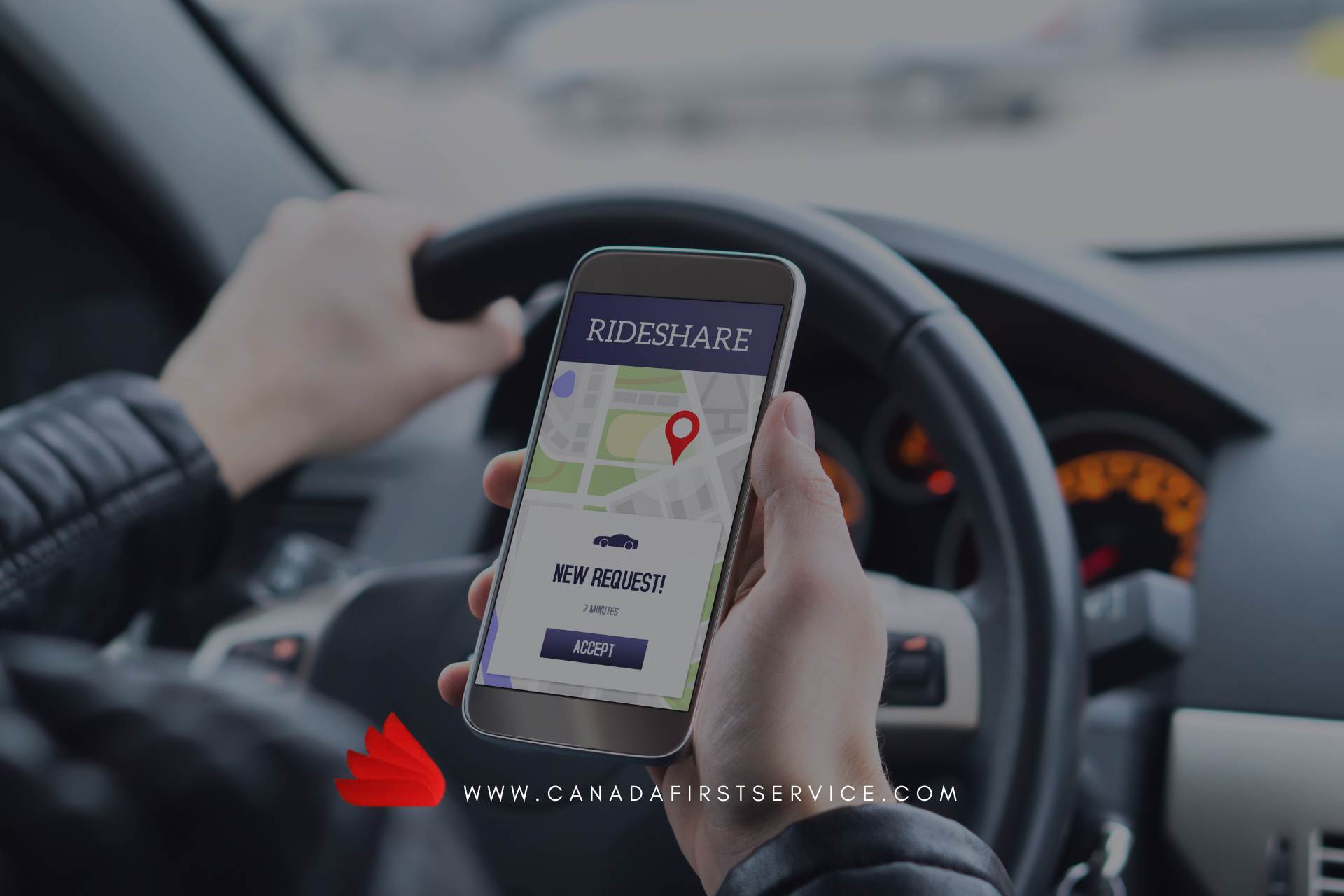
Ride-sharing platforms such as Uber and Lyft operate in many Canadian cities and allow users to book rides through mobile applications. These services are especially useful for airport transfers, late-night travel, or destinations that are difficult to reach using public transit.
Traditional taxi services continue to operate throughout Canada and remain a reliable transportation option. Taxi fares are typically calculated using a meter based on distance and travel time.
For newcomers who do not yet own a vehicle, ride-sharing services can serve as a flexible supplement to public transportation.
Driving in Canada as a Newcomer
Although public transportation is sufficient for many people, there may come a time when owning a vehicle becomes necessary or beneficial.
This is particularly true for those living in suburban communities, working in locations with limited transit access, or travelling frequently between cities.
Understanding Driver’s Licences
Driver’s licensing requirements vary between provinces and territories.
In most cases, newcomers may be able to use a foreign driver’s licence for a limited period after arriving in Canada. After this period, obtaining a provincial driver’s licence becomes necessary.
The licensing process often includes:
Knowledge tests
Vision tests
Road tests
Documentation requirements
Depending on your country of origin and driving experience, certain provinces may offer licence exchange agreements or accelerated pathways.
Car Insurance Requirements
Car insurance is mandatory across Canada.
Insurance costs can vary significantly depending on factors such as:
Province of residence
Driving history
Vehicle type
Coverage level
Age and driving experience
Many newcomers are surprised by insurance costs during their first years in Canada, making it important to research options carefully before purchasing a vehicle.
Is Owning a Car Necessary?
The answer depends largely on where you live.
In cities such as Toronto, Montreal, and Vancouver, many residents successfully live without a vehicle thanks to extensive public transit networks.
However, in smaller communities and rural areas, car ownership may become essential for daily activities.
Evaluating your work location, lifestyle, family needs, and transportation costs can help determine whether purchasing a vehicle is the right decision.

Active Transportation: Walking and Cycling in Canadian Cities
Many Canadian cities actively encourage environmentally friendly transportation methods such as walking and cycling.
Dedicated cycling lanes, pedestrian-friendly infrastructure, public parks, and multi-use pathways are becoming increasingly common throughout urban areas.
Cycling can be a practical and affordable transportation option during warmer months, particularly in cities with well-developed cycling networks.
Walking is also a popular choice for short commutes and neighbourhood travel. Besides saving money, active transportation can improve physical health, reduce environmental impact, and help newcomers become more familiar with their communities.
However, weather conditions should always be considered when planning active transportation, especially during winter.
Transportation Accessibility in Canada
Accessibility is an important part of Canada’s transportation system.
Public transit providers strive to ensure that transportation services are available to individuals of all abilities.
Common accessibility features include:
Wheelchair-accessible buses
Priority seating areas
Elevators in transit stations
Visual route information
Audible stop announcements
Service animal accommodations
These features help create a transportation system that is inclusive and accessible to all residents.
Individuals who require specific accommodations are encouraged to contact local transit providers directly to learn about available services and support options.
Navigating Transportation During Canadian Winters
Winter is one of the most significant adjustments many newcomers face after arriving in Canada.
Snowfall, icy conditions, reduced visibility, and colder temperatures can all impact transportation.
Although Canadian transportation systems are designed to operate during winter weather, delays occasionally occur during severe storms.
Prepare for Longer Travel Times
Winter conditions may increase travel times for buses, trains, and personal vehicles.
Allowing extra time for your commute can help reduce stress and ensure that you arrive on time for work, school, or appointments.
Dress Appropriately
Waiting outdoors for transportation during winter can be uncomfortable without proper clothing.
Warm coats, waterproof boots, gloves, scarves, and winter accessories can make commuting significantly more comfortable and safer.
Monitor Transit Updates
Most transit agencies provide real-time updates through websites and mobile applications.
Checking service alerts before travelling can help you identify delays, route changes, or weather-related disruptions.
With proper preparation, winter transportation can become a manageable part of everyday life in Canada.
How Canada First Service Supports Newcomers
At Canada First Service, we understand that transportation is about more than simply getting from one place to another. Reliable transportation affects employment opportunities, education, housing choices, and overall settlement success.
Our team understands these challenges because we have experienced many of them ourselves.
When we first arrived in Canada, we faced the same questions that many newcomers ask today:
Which neighbourhood offers better transit access?
Is it necessary to own a vehicle?
How do driver’s licences work in Canada?
What transportation options are most affordable?
How can newcomers adapt to Canadian systems more quickly?
Through years of firsthand experience, research, and community involvement, we have developed resources that help newcomers make informed decisions and avoid common mistakes.
Whether you are planning your arrival, exploring transportation options, learning about driver’s licensing requirements, or simply trying to better understand life in Canada, our goal is to provide practical guidance that makes your transition smoother and more successful.
We are not just another service provider—we are people who have walked this journey ourselves and understand the challenges newcomers face every day.